
Digital Product Passport for Textiles: The Complete Guide for Fashion Brands
Learn how Digital Product Passports work for textiles, EU ESPR requirements, supplier data, traceability and how fashion brands can prepare.
November 20, 2026 · Trustrise
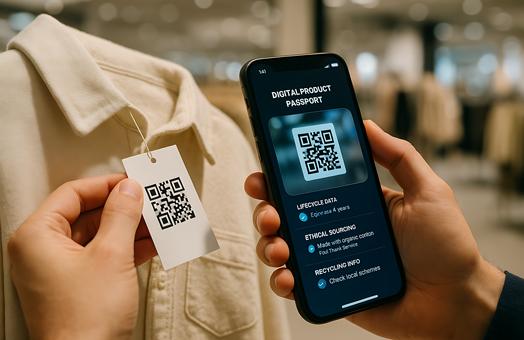
The fashion and textile industry is entering a new era of product transparency. As the European Union moves towards more sustainable and circular products, Digital Product Passports (DPPs) are becoming an important part of the industry's digital transformation.
For fashion brands, manufacturers, and textile suppliers, understanding how Digital Product Passports work is an opportunity to improve product traceability, organise supply chain information, and prepare for upcoming European requirements.
But what exactly is a Digital Product Passport for textiles? What information should it contain? How will the EU Ecodesign for Sustainable Products Regulation (ESPR) affect fashion businesses, and how can brands start preparing?
In this guide, we explain everything fashion brands need to know about Digital Product Passports, textile traceability, supplier data management, and the practical steps businesses can take to prepare.
What Is a Digital Product Passport for Textiles?
A Digital Product Passport (DPP) for textiles is a digital record that provides structured information about a textile product throughout its lifecycle.
It connects physical products to digital information, typically through a data carrier such as a QR code. By scanning the code, users can access relevant product information, depending on their access rights.
For a fashion brand, a Digital Product Passport can help connect information about:
- Product identification and characteristics.
- Material and fibre composition.
- Recycled material content.
- Manufacturing and supply chain information.
- Certifications and supporting documentation.
- Relevant chemical and environmental information.
- Product care and maintenance.
- Repair, reuse, and end-of-life information.
Instead of keeping product information scattered across spreadsheets, supplier documents, emails, and internal systems, brands can organise relevant information in a structured digital environment.
A Digital Product Passport is more than a QR code. The QR code provides access to information, while the passport itself represents the underlying product data and documentation.
Why Is the EU Introducing Digital Product Passports?
The European Union is working to improve the sustainability, transparency, and circularity of products placed on its market.
Many products pass through complex international supply chains before reaching consumers. Information about their materials, manufacturing processes, environmental characteristics, and end-of-life options can be difficult to access or verify.
Digital Product Passports aim to make relevant information more accessible throughout the product lifecycle.
1. Greater Product Transparency
Brands can make relevant product information accessible to customers and other stakeholders. Consumers increasingly want to understand what products are made of, where materials come from, and how products should be maintained or handled at the end of their useful life.
2. Better Supply Chain Traceability
Digital product information can help businesses connect data from different suppliers and production stages.
For example, a fashion brand may need to collect information about fabric composition, material suppliers, manufacturing locations, and supporting documentation.
3. More Informed Purchasing Decisions
Accessible product information can help consumers better understand the characteristics and sustainability-related information of the products they purchase.
4. Support for Circular Business Models
Information about product composition, care, repair, reuse, and recycling can help support more circular approaches to product design and management.
5. Improved Access to Product Information
A structured digital system can make it easier for relevant stakeholders to access the information they need, rather than relying exclusively on disconnected documents and manual communication.
What Is the ESPR and How Does It Affect Fashion Brands?
The Ecodesign for Sustainable Products Regulation (ESPR), Regulation (EU) 2024/1781, establishes a framework for setting ecodesign requirements for sustainable products placed on the European Union market.
Digital Product Passports are one of the key instruments introduced under this regulation.
The ESPR is designed to improve product sustainability and circularity by addressing areas such as durability, resource efficiency, reparability, recyclability, and product information.
Textile apparel is among the priority product groups identified in the European Commission's ESPR Working Plan 2025–2030.
When Will Digital Product Passports Apply to Textiles?
As of November 2026, the European Commission indicates Q4 2027 as the planned adoption period for the ESPR delegated act covering textiles.
However, this is a planned legislative milestone, not a universal date by which every textile product must already have a Digital Product Passport.
The final requirements, product scope, applicable information, and implementation arrangements will be established through the relevant legal measures.
Following the adoption of applicable ESPR delegated acts, economic operators are expected to receive a transition period of at least 18 months under the ESPR framework.
Fashion brands should therefore begin organising their product and supplier information before the final implementation deadlines approach.
Important: The exact legal obligations depend on the applicable product-specific legislation. Businesses should monitor official EU updates rather than assume that all textile products already have identical DPP requirements.
What Information Should a Textile Digital Product Passport Include?
The exact mandatory data requirements for textile Digital Product Passports will be defined by the applicable EU legislation and the future textile-specific delegated act.
Nevertheless, fashion brands can already begin organising the information that may be relevant to their product transparency and traceability processes.
1. Product Identification
Every digital product record needs a reliable way to identify the product.
- Product name.
- Product category.
- Brand name.
- Product model or reference.
- Global Trade Item Number (GTIN), where applicable.
- Unique product identifier.
- Batch or production reference, where relevant.
Clear product identification helps connect the physical product with its corresponding digital information.
2. Material and Fibre Composition
Material information is particularly important for textile products.
Fashion brands can organise information such as:
- Cotton.
- Polyester.
- Wool.
- Linen.
- Nylon.
- Elastane.
- Recycled fibres.
- Other textile materials.
Where available, brands can also document the percentage of each material used in a product.
| Material | Composition |
|---|---|
| Organic cotton | 70% |
| Recycled polyester | 25% |
| Elastane | 5% |
This is an illustrative product composition, not a statement of mandatory DPP fields.
3. Supply Chain Information
A textile product can involve multiple suppliers and production stages.
A fashion brand may work with:
- Raw material suppliers.
- Fibre producers.
- Yarn manufacturers.
- Fabric mills.
- Dyeing and finishing facilities.
- Garment manufacturers.
- Packaging suppliers.
Organising relevant supplier information can help brands understand where different stages of their product journey take place.
Depending on the applicable requirements and business needs, information may include supplier identities, facility details, production locations, and relevant supporting records.
4. Certifications and Supporting Documentation
Fashion brands often work with suppliers who provide certifications, declarations, and other supporting documents.
Examples of documentation that may be relevant include:
- GOTS certification.
- OEKO-TEX documentation.
- Recycled material certificates.
- Supplier declarations.
- Material composition documentation.
- Relevant conformity documentation.
Brands should distinguish between a document being uploaded to a system and a certification or claim being independently verified.
A digital platform can help organise documentation, but it does not automatically make every uploaded document valid or certify a product.
5. Chemical and Substances Information
Chemical information is another important aspect of textile product transparency.
Businesses may need to manage information about relevant substances of concern and applicable chemical restrictions.
For example, supplier documentation and relevant declarations may help companies organise information related to applicable REACH requirements.
Access to certain sensitive or regulatory information may need to be restricted to authorised stakeholders rather than displayed publicly to consumers.
6. Environmental Information
Depending on the applicable product requirements, environmental information may become an important part of textile Digital Product Passports.
- Recycled material content.
- Water consumption.
- Energy consumption.
- Greenhouse gas emissions.
- Relevant environmental assessments.
- Resource efficiency information.
Brands should only publish environmental claims that are supported by appropriate evidence and clearly defined methodologies.
7. Product Care and End-of-Life Information
Product information should not stop when a customer purchases an item.
Relevant information may also include:
- Washing instructions.
- Drying instructions.
- Maintenance recommendations.
- Repair guidance.
- Reuse information.
- Recycling or disposal guidance.
Making this information accessible can help extend product life and support more responsible product management.
How Does a Digital Product Passport Work?
A Digital Product Passport connects a physical product to its digital information.
Although the technical implementation may differ between platforms, the general process involves several steps.
Step 1: Create a Product Record
The brand creates a digital record for a specific product model, batch, or item, depending on its needs and the applicable requirements.
Step 2: Add Product Information
The company adds relevant product details, including identification, composition, materials, and other available information.
Step 3: Collect Supplier Information
Suppliers provide the information and supporting documents needed to build a more complete product record.
Step 4: Organise and Review Documentation
The brand reviews submitted information, manages supporting documentation, and identifies missing or incomplete data.
Step 5: Generate a QR Code or Another Data Carrier
The product record can be connected to a data carrier, such as a QR code, which provides access to the relevant digital information.
Step 6: Make Information Accessible
Customers, business partners, and authorised stakeholders can access the information relevant to their roles.
The applicable EU rules will determine the required data carrier, information, access rights, and other technical details.
How to Create a Digital Product Passport for Clothing
Fashion brands do not need to wait until the final implementation deadline to start organising their product information.
A practical preparation process can begin with the following steps.
1. Identify Your Products
Start by selecting the products you want to organise. For example, a clothing brand may begin with its best-selling T-shirts, jackets, trousers, or footwear collections.
2. Organise Product Information
Collect existing product information, including product references, composition, material specifications, and relevant documentation.
3. Map Your Suppliers
Identify the suppliers involved in each production stage. Understand what information each supplier can provide and where documentation is currently stored.
4. Collect Supporting Documents
Create a structured process for collecting certificates, declarations, material information, and other relevant documentation.
5. Identify Missing Information
Review your product records and identify gaps, such as:
- Missing fibre composition information.
- Incomplete supplier details.
- Missing supporting documentation.
- Unclear production information.
- Missing care or end-of-life guidance.
6. Generate Digital Product Records
Use a Digital Product Passport platform to organise information and connect it to individual products or product batches.
7. Review and Maintain Information
Product information should be reviewed and updated when relevant changes occur. A digital record should not be treated as a one-time document that never changes.
How to Collect and Manage Supplier Data for Digital Product Passports
Supplier data management is one of the most important challenges for fashion brands preparing for Digital Product Passports.
A company may have complete information about its finished products but still lack visibility into the materials and processes behind them.
This is especially common when brands work with several suppliers across different countries.
Build a Supplier Information Network
Start by identifying the suppliers involved in your products. Create a structured list containing relevant supplier and facility information.
Request Product-Related Documentation
Ask suppliers to provide the information relevant to their production stage.
- Material specifications.
- Fibre composition.
- Country of origin information.
- Relevant production details.
- Certifications and declarations.
- Supporting technical documentation.
Standardise Information Collection
Different suppliers may provide information in different formats. Some use spreadsheets, others send PDFs, and some communicate through emails.
A standardised digital process can make information collection easier and reduce the need for repetitive manual work.
Review and Track Missing Information
Brands should be able to identify which suppliers have submitted the requested information and which records still require attention.
This helps create a more organised and manageable product information process.
Digital Product Passport vs. Traditional Product Labels
Traditional textile labels provide important information, but they have limitations when it comes to presenting detailed product information.
A Digital Product Passport can complement existing product labels by connecting products to additional digital information.
| Traditional Product Label | Digital Product Passport |
|---|---|
| Limited physical space | Can provide access to more detailed information |
| Mainly static information | Digital information can be maintained and updated |
| Difficult to include detailed supplier information | Can connect relevant supply chain records |
| Limited access to supporting documents | Can provide access to relevant documentation |
| Primarily attached to the product | Can be accessible through digital channels |
A Digital Product Passport does not automatically replace every existing labelling obligation. Instead, it can complement existing product information systems and support additional transparency.
What Should Fashion Brands Look for in a Digital Product Passport Platform?
Choosing the right Digital Product Passport software is an important decision.
Fashion brands should look beyond QR code generation and consider how the platform supports product information management.
1. Product Information Management
The platform should make it easy to create and manage structured product records.
2. Supplier Collaboration
Look for capabilities that allow suppliers to submit relevant product and material information.
3. Documentation Management
Brands should be able to organise relevant certificates, declarations, and supporting documents.
4. Product Traceability
The platform should help connect product information with relevant supply chain data.
5. QR Code Generation
A platform should support the creation of digital product access points through QR codes or other appropriate data carriers.
6. Data Updates and Version History
Product information can change over time. A platform should support updates and provide appropriate visibility into changes.
7. Integration and Scalability
Consider whether the platform can support your existing business processes, product catalogue, and future data management requirements.
The most suitable solution is one that helps your business organise product information today while preparing for evolving regulatory requirements.
How TrustRise Helps Fashion Brands Prepare for Digital Product Passports
Preparing for Digital Product Passports requires more than generating QR codes.
Fashion brands need a structured way to organise product information, collect supplier data, manage supporting documentation, and make relevant information accessible.
TrustRise is a Digital Product Passport platform designed to help brands organise product information and improve supply chain transparency.
With TrustRise, businesses can:
- Create digital product records.
- Organise product and material information.
- Manage supply chain and supplier details.
- Invite suppliers to contribute relevant information.
- Collect and organise certifications and supporting documentation.
- Manage product care and end-of-life information.
- Organise relevant environmental data.
- Generate QR codes for digital product access.
- Export QR codes in PNG, SVG, and PDF formats.
- Maintain product records and track information changes.
Whether you manage a small fashion brand or a growing textile business, having a structured product information process can make preparation for Digital Product Passports easier.
TrustRise helps bring relevant product information into one organised digital environment.
Prepare Your Brand for the Digital Product Passport
Organise product information, supplier data, and textile traceability in one platform.
Start Creating PassportsHow Can Small Fashion Brands Prepare for Digital Product Passports?
Digital Product Passports are not only relevant to large international fashion companies.
Small and medium-sized fashion businesses can also benefit from organising their product information early.
Here are five practical recommendations:
- Start with your most important products instead of trying to organise your entire catalogue at once.
- Identify the suppliers involved in each product.
- Collect material specifications and supporting documents.
- Create a consistent process for managing product information.
- Evaluate a Digital Product Passport platform that can grow with your business.
Early preparation can help reduce the operational pressure of collecting information later. It can also improve internal organisation and make supplier communication more structured.
Frequently Asked Questions About Digital Product Passports for Textiles
What is a Digital Product Passport for textiles?
A Digital Product Passport for textiles is a digital record that provides structured information about a textile product, potentially including its materials, composition, supply chain, relevant documentation, care instructions, and end-of-life information.
Is a Digital Product Passport mandatory for textile products in the EU?
Textiles are a priority product group under the ESPR Working Plan 2025–2030. However, the specific requirements and applicable deadlines will be established through the textile-specific delegated act and related implementation measures.
When will the Digital Product Passport for textiles be introduced?
The European Commission currently indicates Q4 2027 as the planned adoption period for the ESPR delegated act covering textiles. The actual implementation timeline will depend on the final legal measures and applicable transition period.
Do Digital Product Passports use QR codes?
QR codes are one possible type of data carrier for accessing a Digital Product Passport. The applicable legislation will determine the required data carrier and its presentation.
What information should a textile Digital Product Passport contain?
Potential information categories include product identification, material composition, supplier and manufacturing information, relevant certifications, chemical information, environmental data, care instructions, and end-of-life information. The final mandatory fields will depend on the applicable legal requirements.
Can small fashion brands use Digital Product Passport software?
Yes. Small fashion brands can use DPP platforms to organise product information, manage supplier documentation, and prepare their data processes ahead of regulatory implementation.
What is the difference between product traceability and a Digital Product Passport?
Product traceability focuses on tracking relevant product information and its movement through a supply chain. A Digital Product Passport provides a structured digital access point for relevant product information throughout its lifecycle. The two concepts are closely connected but are not identical.
How can fashion brands start preparing for Digital Product Passports?
Brands can begin by identifying their products, mapping suppliers, collecting material information, organising documentation, and selecting a digital platform to manage product records.
Does a Digital Product Passport automatically certify a sustainable product?
No. A Digital Product Passport provides access to product information and supporting documentation. Its existence does not automatically prove that a product is sustainable, certified, or compliant with every applicable regulation.
Final Thoughts: The Future of Textile Transparency
The transition towards Digital Product Passports represents an important development for the European fashion and textile industry.
As regulatory requirements evolve, brands will need better ways to organise product information, collaborate with suppliers, and provide relevant transparency throughout the product lifecycle.
Businesses that start preparing early can develop more structured data management processes and improve their understanding of their supply chains.
The first step is not necessarily to change your entire production process. It is to understand your products, organise your information, and build a foundation for better traceability.
Make product transparency part of your business strategy.
TrustRise — Making Transparency Simple.
Official Sources and Further Reading
Last updated: November 2026.